Easter Cake: Irresistibly Flaky and Flavorful Delight
Imagine biting into a warm, flaky pastry that dances with the flavors of sweet cinnamon and rich butter, each mouthful melting away into a symphony of delightful textures. This irresistible treat is perfect for cozy mornings or festive gatherings, creating an atmosphere filled with laughter and the irresistible aroma of freshly baked goodness wafting through the air.
I still remember the first time I helped my grandmother in her kitchen as she whipped up this delightful recipe, her laughter mixing with the scent of spices and sugar. This dish has become a cherished tradition at family celebrations, reminding us all to savor not just the flavors but also the memories we create together around the table. Get ready for a flavor experience that’s as heartwarming as it is delicious!
Why is this Easter Cake a must-try?
This delightful Easter Cake will become your new springtime favorite!
- Unique flavors: A perfect blend of citrus and vanilla that dances on your palate.
- Easy to make: Simple steps ensure even novice bakers can shine.
- Versatile design: Customize with seasonal fruits or sprinkles for a festive touch!
- Crowd-pleaser: Impress family and friends at any gathering with its vibrant presentation.
- Time-saving: Bake and decorate in under two hours, leaving you more time to celebrate!
Easter Cake Ingredients
For the Cake:
- 2 cups all-purpose flour – This forms the base of your cake; make sure to sift for a lighter texture.
- 1 1/2 cups granulated sugar – Sweetens the cake beautifully; you can use coconut sugar for a deeper flavor.
- 1 cup unsalted butter (softened) – Adds richness and moisture; substitute with vegan butter for a dairy-free option.
- 4 large eggs – Provides structure and moisture; use flax eggs if you’re looking for an egg-free alternative.
- 1 cup whole milk – Keeps the cake moist; almond milk can be a great non-dairy substitute.
- 2 teaspoons baking powder – Ensures your cake rises perfectly; double-check it’s fresh for the best results.
- 1 teaspoon vanilla extract – Enhances overall flavor; feel free to swap with almond extract for a different twist.
For the Frosting:
- 1 cup unsalted butter (softened) – The base of your frosting for creaminess; use vegan butter for a dairy-free option.
- 4 cups powdered sugar – Sweetens and thickens the frosting; sift it to avoid lumps in your frosting.
- 1/4 cup heavy cream – Creates a smooth consistency; substitute with coconut cream for a non-dairy version.
- 2 teaspoons vanilla extract – Adds warmth and flavor depth; you can experiment with lemon extract for a zesty kick.
For Decoration:
- 1 cup fresh berries (strawberries, blueberries, or raspberries) – Brighten up your Easter Cake with seasonal fruits; they add both flavor and color.
- 1/4 cup edible flowers (like pansies or violets) – Perfect for an elegant touch that screams springtime celebration.
- 1/2 cup shredded coconut (unsweetened) – Sprinkle on top for added texture and a tropical vibe.
This delightful Easter Cake will surely become a family favorite!
How to Make Easter Cake
1. Preheat your oven to 350°F (175°C) and grease a 9-inch round cake pan. This step ensures your cake releases easily after baking, giving you a perfect base for decorating!
2. Mix the dry ingredients in a large bowl: flour, baking powder, and salt. Whisk them together until well combined, ensuring your Easter cake rises beautifully and has a delightful texture.
3. Cream the butter and sugar in another bowl until light and fluffy, about 3-5 minutes. This adds air to the mixture, creating a soft and tender crumb for your Easter cake.
4. Add eggs one at a time, mixing thoroughly after each addition. The eggs help bind the ingredients together while adding richness and moisture to your cake.
5. Combine the wet and dry ingredients gradually. Alternate adding the dry mix with milk, starting and ending with the dry ingredients. This technique keeps your batter smooth and prevents lumps!
6. Pour the batter into the prepared cake pan and smooth the top with a spatula. Bake for 25-30 minutes or until a toothpick comes out clean—your kitchen will smell heavenly!
7. Cool the cake in the pan for 10 minutes before transferring it to a wire rack to cool completely. Patience is key here; this ensures your Easter cake doesn’t crumble when you frost it.
8. For the Glaze:
- Whisk powdered sugar with milk until smooth in a medium bowl. Aim for a pourable consistency that will elegantly drizzle over your cooled cake.
- Drizzle the glaze over your Easter cake using a spoon or fork for artistic flair! Let it set for about 15 minutes before serving.
Optional: Top with colorful sprinkles or edible flowers for an extra festive touch!
Exact quantities are listed in the recipe card below.
Tips for the Best Easter Cake
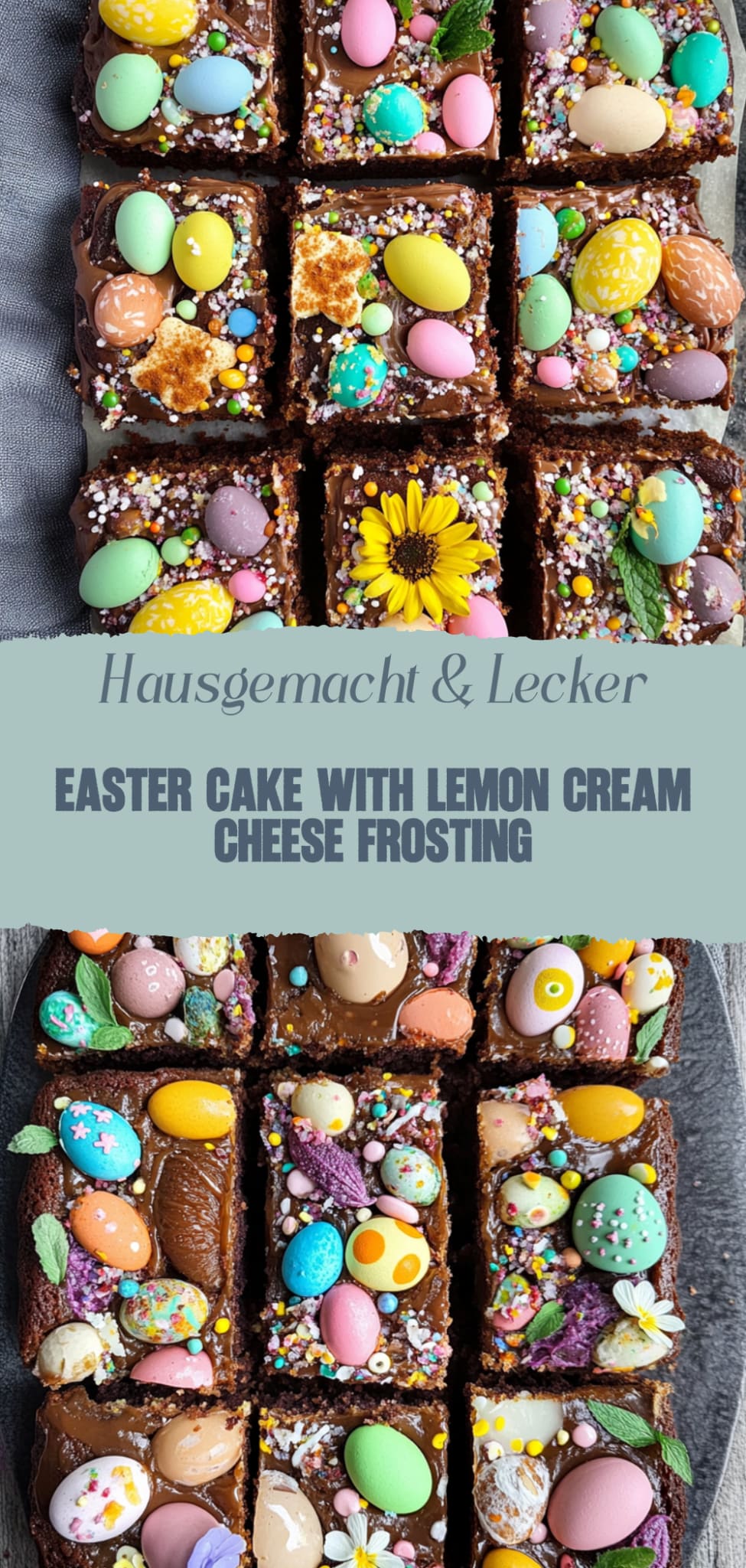
- Choose the Right Flour: Use cake flour for a lighter, fluffier texture. All-purpose can make your Easter cake dense and chewy.
- Room Temperature Ingredients: Ensure eggs and butter are at room temperature to create a smooth batter that rises beautifully.
- Don’t Overmix: Mix just until combined; overmixing can lead to a tough cake. Your Easter cake deserves that tender crumb!
- Even Baking: Rotate your cake pans halfway through baking to ensure even heat distribution, preventing any unwanted doming.
- Cool Completely: Allow your cake layers to cool entirely before frosting. This prevents melting and sliding, keeping your Easter cake looking pristine.
How to Store and Freeze Easter Cake
- Room Temperature: Keep your Easter cake covered at room temperature for up to 3 days. Use an airtight container or wrap it tightly in plastic wrap to maintain freshness.
- Fridge: If you need to store it longer, place the Easter cake in the fridge for up to a week. Be sure it’s in an airtight container to avoid absorbing any odors.
- Freezer: For extended storage, freeze your Easter cake for up to 3 months. Slice it if desired, wrap each piece in plastic wrap, and then place them in a freezer-safe bag.
- Reheating: To enjoy your frozen Easter cake, thaw it overnight in the fridge and bring it to room temperature before serving. A gentle warming in the oven can revive its deliciousness!
Easter Cake Customizations
Get ready to sprinkle a little creativity into your baking with these delightful variations!
- Gluten-Free: Use a gluten-free flour blend to make this cake suitable for those with dietary restrictions. It will still rise beautifully and taste just as scrumptious!
- Vegan: Substitute eggs with flaxseed meal mixed with water, and use plant-based milk. Your cake will remain moist and delicious while being entirely plant-powered.
- Citrus Zest: Add the zest of lemon or orange to the batter for a bright, refreshing twist. This simple addition can elevate the flavor profile and bring a lovely aroma to your kitchen.
- Chocolate Swirl: Fold in melted chocolate or cocoa powder into half of the batter before pouring it into the cake pan. This creates a gorgeous marbled effect that’s both pretty and indulgent.
- Nutty Crunch: Incorporate chopped walnuts or almonds into the batter for an extra crunch. The nuts add texture and a delightful contrast to the soft cake.
- Spiced Delight: Sprinkle in cinnamon or nutmeg for a warm, cozy flavor profile. These spices are perfect for enhancing the seasonal vibe of your cake.
- Fruit Infusion: Mix in fresh berries or diced peaches for added moisture and fruitiness. Not only do they taste amazing, but they also add vibrant color to your Easter celebration.
- Heat Kicker: Add a pinch of cayenne pepper or some finely chopped jalapeños for an unexpected spicy note. This surprising twist adds depth and complexity, making each bite uniquely memorable.
Make Ahead Options
Making an Easter Cake is a delightful way to celebrate the holiday, and with a little meal prep, you can save time and reduce stress. You can prepare the cake layers up to 3 days in advance; simply wrap them tightly in plastic wrap and store them in the refrigerator. For the frosting, whip it up 24 hours ahead and keep it stored in an airtight container at room temperature. When you’re ready to serve, just assemble your chilled layers with the frosting for a fresh taste that feels like it was made just for the occasion. To maintain quality, avoid stacking the layers until you’re ready to frost, as this will keep them from becoming overly moist. With these make-ahead options for your Easter Cake, you’ll have more time to enjoy precious moments with family!
Easter Cake Recipe FAQs
What ingredients should I use for the best flavor?
For the most flavorful Easter Cake, opt for fresh, high-quality ingredients. Use room-temperature eggs and unsalted butter for a rich taste. If possible, choose organic vanilla extract and freshly grated lemon zest—these little touches elevate the cake’s flavor profile beautifully!
How do I store my Easter Cake properly?
To keep your Easter Cake fresh, store it in an airtight container at room temperature for up to three days. If you have leftovers, refrigerate them wrapped tightly in plastic wrap to maintain moisture for about a week. Just remember to let it come back to room temperature before serving; that’s when it’s at its best!
Can I freeze my Easter Cake?
Absolutely! To freeze your Easter Cake, wrap it tightly in plastic wrap and then in aluminum foil to prevent freezer burn. It will stay good in the freezer for up to three months. When you’re ready to enjoy it, simply thaw it overnight in the fridge and allow it to come to room temperature before serving.
What should I do if my cake is too dry?
If your Easter Cake turns out dry, don’t fret! You can brush it with a simple syrup (equal parts sugar and water boiled until dissolved) or serve it with a side of whipped cream or fruit compote to add moisture. Next time, check your oven temperature with an oven thermometer; sometimes, ovens run hotter than indicated!
Are there any dietary considerations for this recipe?
Yes! If you need a gluten-free version of the Easter Cake, consider using a 1: 1 gluten-free flour blend instead of all-purpose flour. For dairy-free options, substitute almond or coconut milk for regular milk and use vegan butter. These swaps ensure everyone can enjoy a slice during your festive celebrations!
Can I add extra flavors or toppings to my Easter Cake?
Certainly! Feel free to get creative! Adding citrus zest like orange or lime can brighten up the flavor. You can also top your cake with cream cheese frosting, pastel-colored sprinkles, or even edible flowers for a delightful spring touch that’s perfect for Easter celebrations!
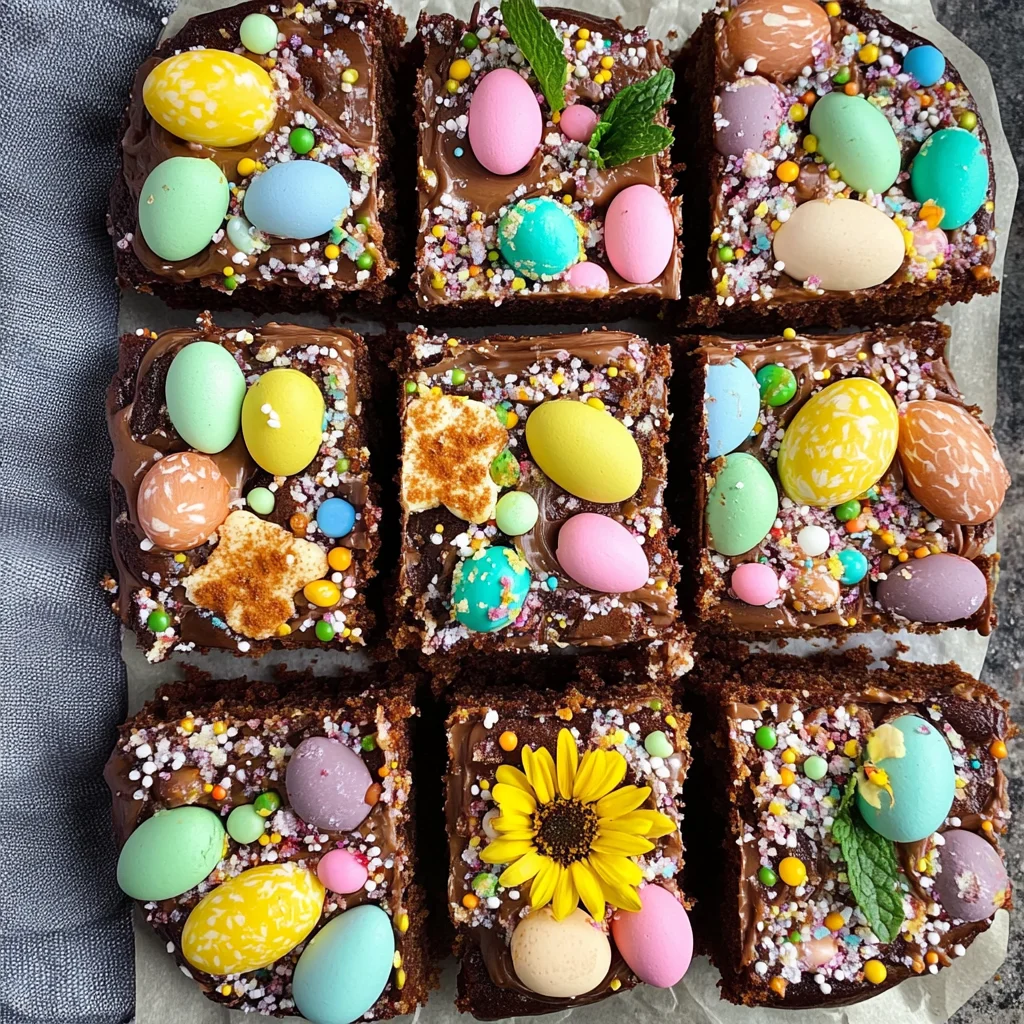
Easter Cake
Ingredients
Method
- Preheat the oven to 350°F (175°C). Grease and flour two 9-inch round cake pans.
- In a mixing bowl, cream together the softened butter and sugar until light and fluffy.
- Add the eggs one at a time, mixing well after each addition. Stir in the vanilla extract.
- In another bowl, combine the flour, baking powder, and salt. Gradually add to the creamed mixture, alternating with the milk.
- Divide the batter evenly between the prepared pans.
- Bake for 25-30 minutes or until a toothpick inserted into the center comes out clean.
- Allow the cakes to cool in the pans for 10 minutes before transferring to a cooling rack.
- In a mixing bowl, beat the softened butter until creamy.
- Gradually add the powdered sugar, mixing well. Add the vanilla extract and milk, adjusting for desired consistency.
- Once the cakes are completely cool, place one layer on a serving plate and spread a layer of frosting on top.
- Place the second layer on top and frost the top and sides of the cake.
- Decorate the top with coconut flakes to resemble grass, and place chocolate eggs and edible flowers on top.